- Short Squeez
- Posts
- 🍋 Banks Making a Comeback
🍋 Banks Making a Comeback
Plus: Warsh is confirmed, inflation is back at 2022 levels, and Blackstone is building a fund designed to outlast most careers.

Short Squeez
May 14, 2026

Together With

“Don’t do anything stupid. And don’t waste money. Let everybody else waste money and do stupid things; then we’ll buy them.” — Jamie Dimon
Good Morning! The Senate confirmed Kevin Warsh as the Fed's 17th chair (54-45). Elon Musk's xAI is testing Grok with Wall Street firms, including Apollo and Morgan Stanley. And private credit IR professionals earned a median total compensation of $825K in 2025, a premium compared to other asset classes.
Blackstone walked from a $4B tie-up with New World Development after the developer refused to cede control. It's also prepping a third long-term buyout fund, $800M to $1B checks across 8-10 companies, with a potential 20-year life vs. the usual 10. Wholesale inflation jumped 6% YoY in April, the biggest since 2022.
Plus: Jamie Dimon warns JPMorgan may rethink its new London office if Starmer is ousted as UK PM, and should you try peptides?
Learn how to build intelligent finance agents using Claude Code. Tune in to Daloopa’s webinar today.
SQUEEZ OF THE DAY
Banks Making a Comeback
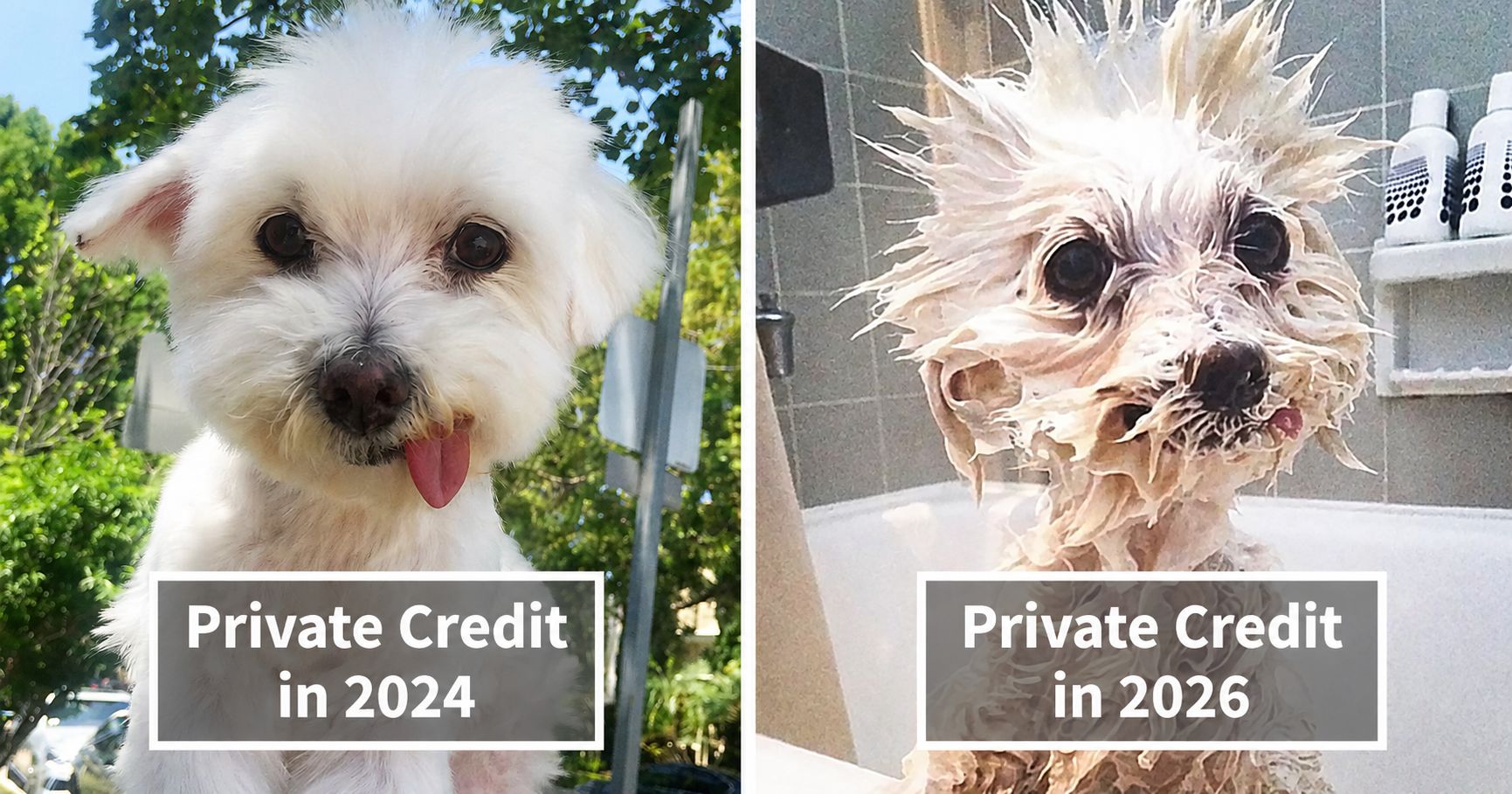
For the last decade, private credit was supposed to be the future of lending. Faster than banks, more flexible than banks, less annoying than banks. Basically: give borrowers money quickly, charge a premium, and tell the banks to pound sand and go enjoy the regulatory paperwork.
But the pendulum is starting to swing back. Private credit lending volume fell 14% in the first quarter, while bank lending to companies jumped 12.7%, the fastest growth since 2022. So some borrowers are going back to the boring old banks.
The reason is pretty simple: banks are getting more competitive, and private credit is getting more cautious. Banks can often lend more cheaply, especially as rules around leveraged lending loosen.
In March, JPMorgan analysts estimated that a typical borrower would pay about 3.75% points over SOFR for a syndicated bank loan, compared with about 4.75% points over SOFR in the private credit market. Private credit can still be faster and more flexible, but if the bank loan is materially cheaper, CFOs tend to rediscover their love for traditional finance pretty quickly.
At the same time, some private credit funds are dealing with their own funding pressure. Investors pulled more than $15 billion from non-listed BDCs in the first quarter, while new fundraising dropped 60% from a year earlier. That matters because if private credit funds are facing redemptions, they cannot keep shoveling money out the door like it is still 2021.
That is creating an opening for banks. Direct lending volume totaled about $61 billion in the first quarter, down roughly $10 billion from the same period last year and about $44 billion from the fourth quarter of 2025. Several public BDCs also reported more repayments than new loans, meaning portfolios are shrinking instead of expanding at the breakneck pace investors got used to.
The bigger issue is credit quality. Investors are getting more nervous that private credit could face higher loan losses, especially in software-heavy portfolios that may be vulnerable to AI disruption. That does not mean private credit is dead, but the asset class is no longer operating in a zero-gravity world where every borrower wants private money and every fund has unlimited cash to deploy.
Takeaway: Private credit is not going away, but the “banks are finished” narrative looks a little tired. When banks can offer cheaper capital, regulators are easing up, and private credit funds are dealing with redemptions and credit concerns, borrowers start remembering why banks existed in the first place. The hottest corner of lending is cooling off just enough for the old-school balance sheets to get back in the game.
PRESENTED BY DALOOPA
How to Build Research Agents and AI-Powered Workflows

As both buy-side and sell-side investment firms look to build internal research agents and AI-powered workflows, many people don’t know where to start.
This introductory session from Daloopa’s CEO Thomas Li provides a step-by-step approach to using Claude Code to build finance agents that can create valuable outputs: investor decks, financial models, and more. And all of this is powered by Daloopa’s comprehensive, audit-ready fundamental dataset across 5,500+ tickers globally, so you can trust your agents’ outputs.
See why so many firms already trust Daloopa. Watch the webinar on demand today.
HEADLINES
Top Reads
Senate confirms Kevin Warsh as Federal Reserve chair in 54-45 vote (WSJ)
Musk's xAI races to get Wall Street firms to use Grok chatbot (BB)
Private credit firms still pay a premium for fundraising talent (WSJ)
Blackstone drops $4 billion New World deal over control clash (BB)
Blackstone lays groundwork for third long-term buyout fund (BB)
Wholesale inflation jumps 6% in April on annual basis, biggest increase since 2022 (CNBC)
Jamie Dimon warns JPMorgan may rethink new London office if 'very smart' Starmer is ousted as UK PM (CNBC)
SoftBank posts $46 billion gain at Vision Fund driven mainly by massive OpenAI bet (CNBC)
Anthropic was behind. Now it's the AI boom's front-runner. (WSJ)
EQT buying Intertek is the latest in private equity's gutting of London (BB)
Altman details Musk's OpenAI fallout, says nonprofit was 'left for dead' (CNBC)
Walmart layoffs bring attention to a reality about the retailer's stock price (YF)
JPMorgan reshuffles investment bank chiefs amid wider shake-up (FT)
CAPITAL PULSE
Markets Rundown

Market Update
U.S. equities closed higher despite a hotter-than-expected producer price inflation (PPI) report
Markets appeared more focused on resilient economic growth and strong corporate earnings than inflation concerns
Kevin Warsh was officially confirmed as the next Federal Reserve Chair, succeeding Jerome Powell
Treasury yields moved higher, with the 10-year yield rising to 4.47% as investors reassessed the path for interest rates
International markets were mostly stronger, with investors focused on the start of the Trump-Xi meeting
The U.S. dollar strengthened alongside rising yields and a less-dovish policy backdrop
Producer Inflation Accelerates
Headline PPI rose 6.0% year-over-year in April, well above expectations for 5.0%
Elevated energy prices were again the primary contributor, with energy inflation up roughly 22% from a year ago
Core PPI also surprised to the upside, signaling broader underlying price pressures
Rising trade-services prices suggest tariffs may also be contributing to inflationary pressure
Higher input costs could pressure corporate profit margins if companies are unable to fully pass costs through to consumers
Markets continue to assume much of the inflation spike remains tied to energy disruptions that could normalize if geopolitical tensions ease
Fed Outlook Shifts More Hawkish
Sticky inflation and stable labor-market conditions continue to support a higher-for-longer interest-rate environment
The confirmation of Kevin Warsh reinforces expectations for a potentially different tone at the Fed, though policy decisions will still remain committee-driven
Investors increasingly expect the Fed to stay patient before considering additional easing
Any future rate cuts likely depend on:
Energy-price normalization
Cooling inflation trends
Further easing in Middle East tensions
Movers & Shakers
(+) Nebius ($NBIS) +16% after Q1 revenue surged 684% year-over-year to $399M on strong AI demand.
(–) Birkenstock ($BIRK) -13% because the retailer missed Q2 estimates on both earnings and revenue, blaming the Iran War.
(–) Wix ($WIX) -27% after adjusted earnings came in below consensus, with forward guidance also disappointing investors.
Prediction Markets
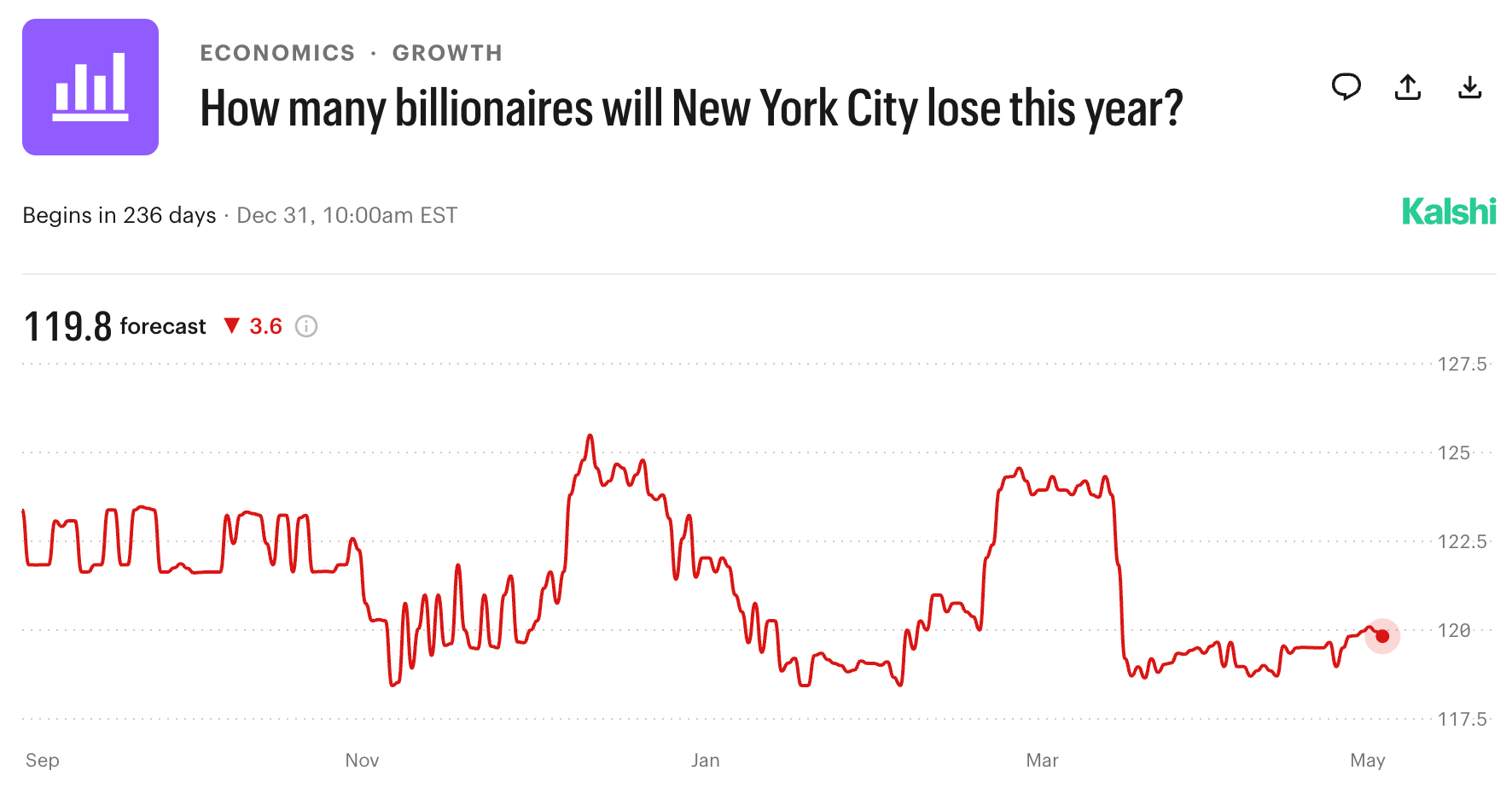
Chances are Ken Griffin won’t be the only billionaire with his eyes on Miami.
Trade on real-world events with Kalshi. Use code OWS to get a $10 bonus when you trade $10.
Private Dealmaking
Anduril raised $5 billion at a $61 billion valuation
Isomorphic Labs, an AI drug discovery company spun out of Google’s DeepMind, raised $2.1 billion
Photonic, a Canadian quantum computing startup, raised $200 million
Exaforce, an agentic cybersecurity startup, raised $125 million
Havoc, a developer of AV software and hardware, raised $100 million
Star Catcher, a developer of a power grid in space, raised $65 million
For more PE, VC & M&A deals, subscribe to our Buysiders newsletter.
BOOK OF THE DAY
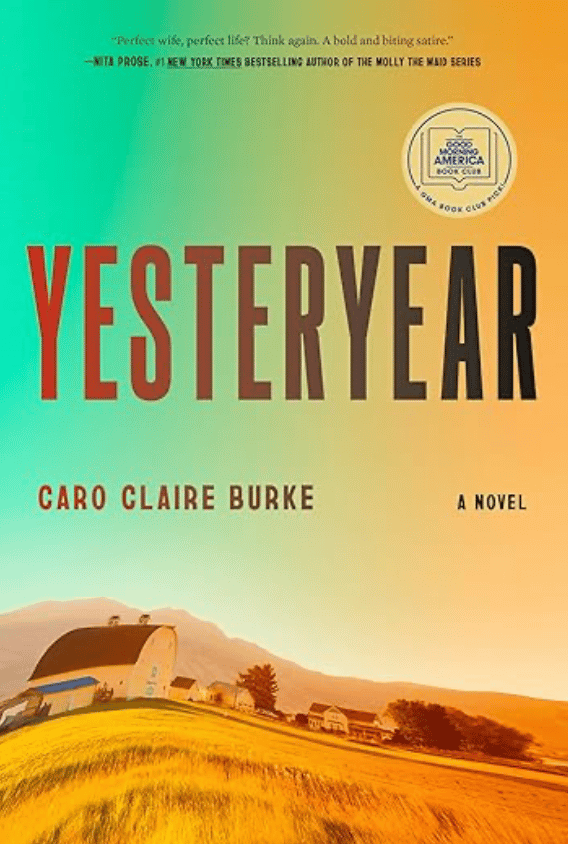
Yesteryear
Description:
A thought-provoking novel from Caro Claire Burke that blends historical fiction, social commentary, and emotional introspection. The story explores themes of identity, belonging, and the tension between progress and nostalgia, following characters forced to confront how much of the past should be preserved versus left behind. Rich in atmosphere and human complexity, the novel examines the emotional cost of trying to recreate an idealized version of history.
Book Length: 352 pages
Release Date: April 7, 2026
Ideal For:
Readers who enjoy literary fiction with emotional depth, social themes, and reflections on identity, memory, and the pull of the past.
The danger of longing for the past is forgetting why the future had to be built differently.
DAILY VISUAL
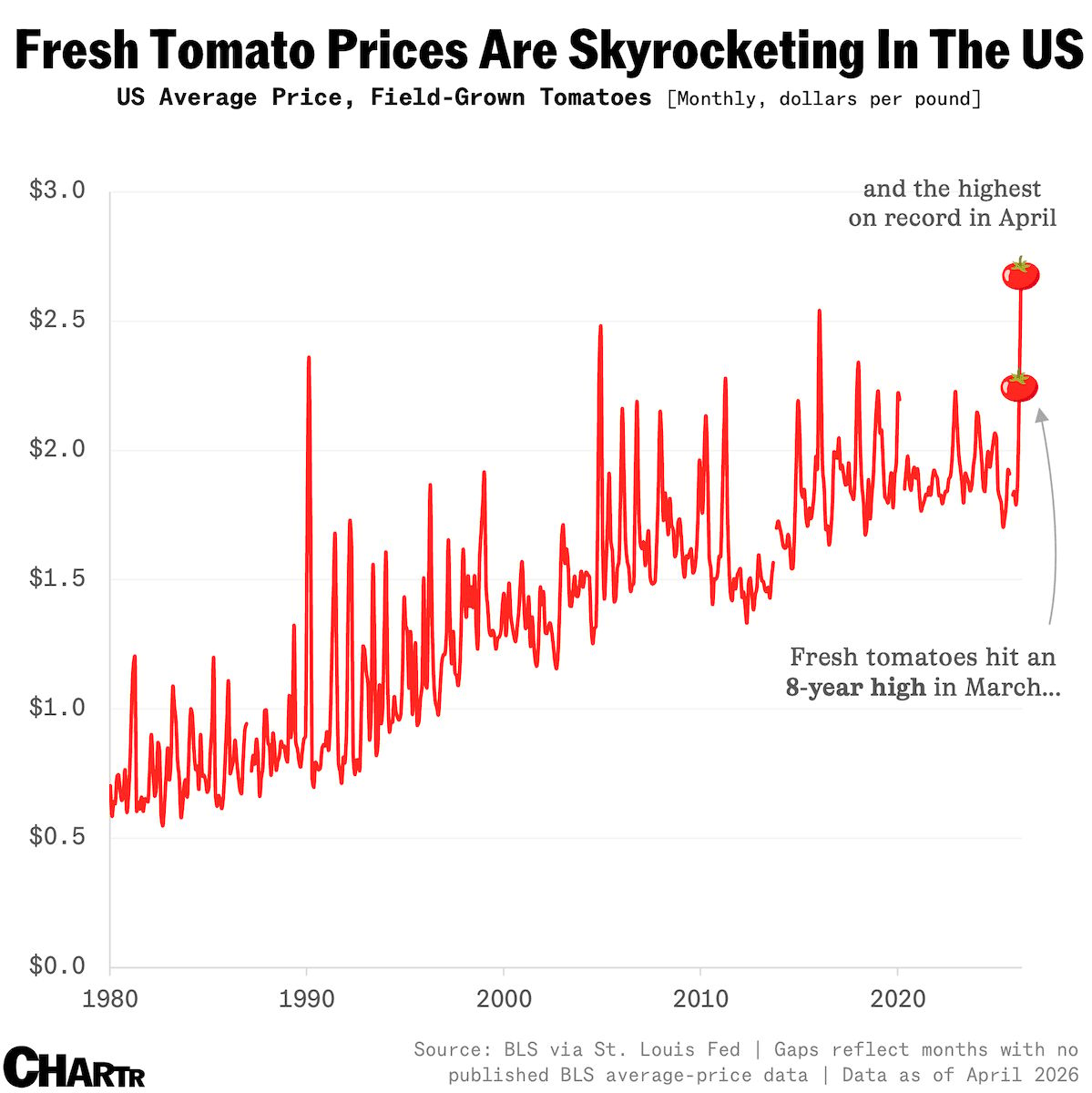
Tomato Prices Surge 40%
Source: Chartr
PRESENTED BY GREENLAND ENERGY COMPANY
The Land of Liquid Gold?
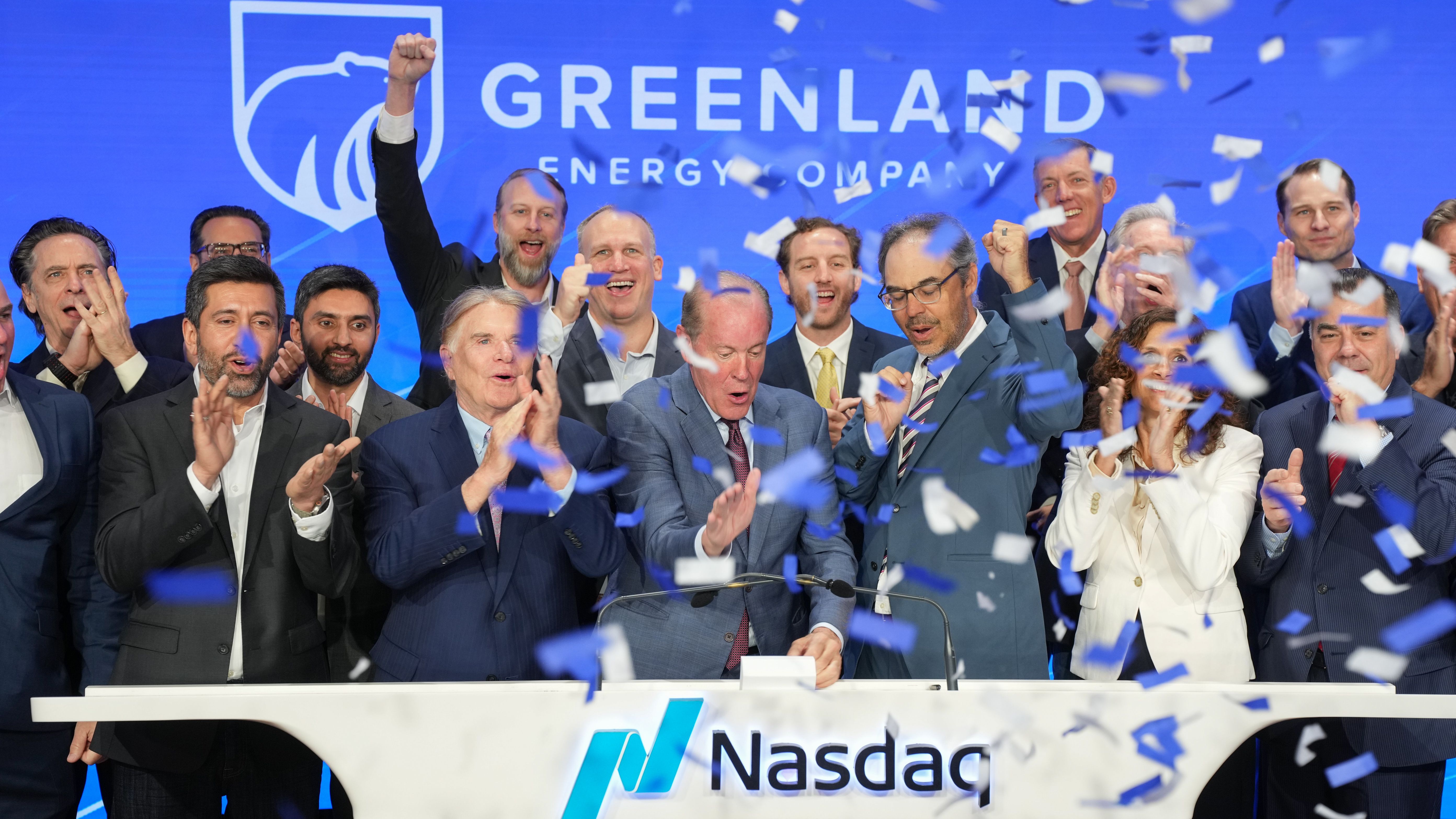
For the past year, Greenland has been the center of a geopolitical conversation that spans the White House, NATO, and every major energy desk on Wall Street. The US Geological Survey has estimated the island holds roughly 31 billion barrels of oil equivalent in untapped resources, and the Trump administration has made Arctic resource security a cornerstone of its foreign policy agenda.
One key player, Greenland Energy Company, already holds the rights to earn up to a 70% working interest across the Jameson Land Basin, the largest onshore basin on the island, which equates to roughly 13 billion barrels. It covers more than two million acres with 58 identified prospects and a drilling campaign contracted to Halliburton. They’re scheduled to start drilling in the second half of 2026.
Read more about GLND and the opportunity here.*
DAILY ACUMEN
Protein First
The order in which you eat your food changes how your body responds to it. Eating protein and vegetables before the carbohydrates on your plate measurably blunts the blood sugar spike that follows the meal, which means a steadier afternoon, fewer energy crashes, and less of the post-lunch fog that quietly degrades decision quality for hours.
This is not a diet. You are eating the same food. You are just sequencing it in a way that works with your metabolism instead of against it, and the effect is large enough to show up on a continuous glucose monitor.
The highest-leverage health interventions are rarely about willpower or restriction. They are about small structural changes to things you were going to do anyway, and this is one of the cleanest examples there is.
ENLIGHTENMENT
Short Squeez Picks
How long should you stay in the sauna?
The best athleisure for work
Is qigong a good way to start your day?
Should you try peptides?
5 lessons from an AI startup disrupting a $30B industry
MEME-A-PALOOZA
Memes of the Day





📣 Partner With Us: Get in front of an audience of over 1 million finance professionals, business leaders, and policy influencers. Submit a partnership inquiry.
📊 Wall Street Comp & Culture Data: Get the most detailed comp, carry, and culture insights across 800+ Wall Street firms. Explore the data.
📈 Grow With Us: Work directly with the Overheard on Wall Street team to scale your finance brand. Schedule your free consult.
🧢 Wall Street Shop: Explore our collection of finance-themed apparel and merchandise. Visit the shop.
📬 Deals Newsletter – Buysiders: A curated roundup of major M&A, private equity, and VC activity. Plus access to private deal flow. Subscribe here.
What'd you think of today's edition? |
Reply